HomeThe Cinema Suite › Paper-Edit Assistant

For Videographers & Filmmakers

Paper-Edit Assistant

Your 35-minute interview is a 90-second film.

Paste the transcript. It finds the story, assembles the radio cut with timecodes, offers three cold opens, maps the B-roll — and writes the kill list that ends the “what about the bit where…” conversation.

Get this skill — $19Type demo after install — watch it do the whole job first.

$19 one-time · instant download · works with Claude & ChatGPT

A Claude & ChatGPT SkillPaper-Edit Assistant

The time sink isn't editing. It's staring at two hours of interview.

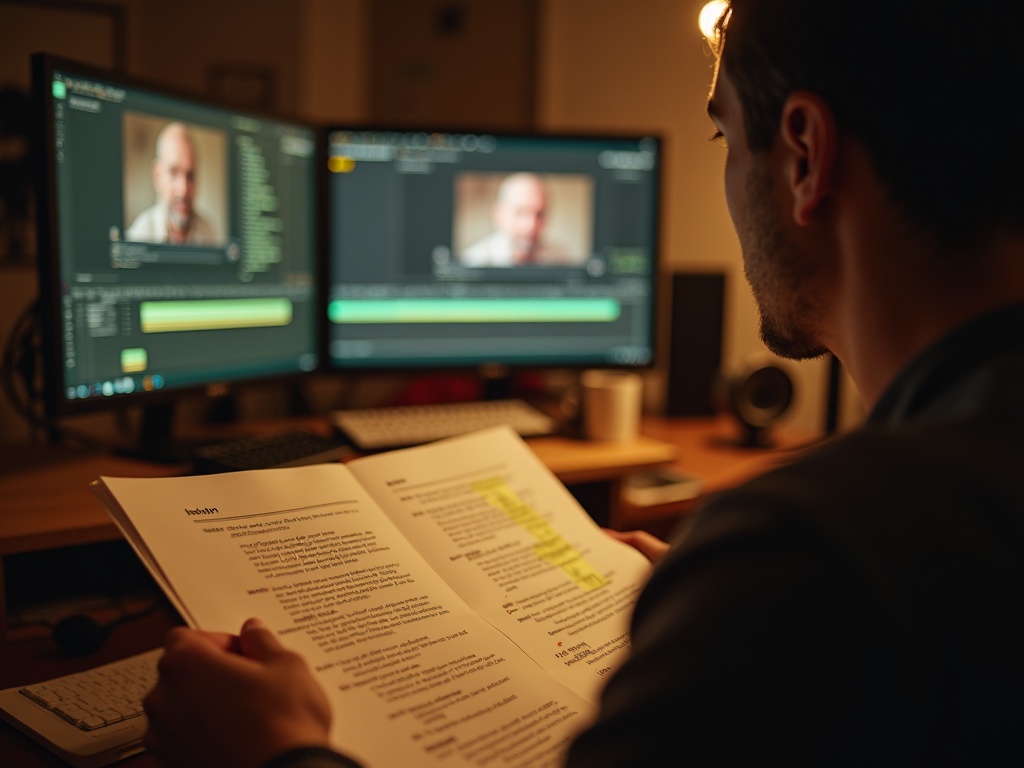
The footage is good. Somewhere inside thirty-five minutes of a founder talking there is a ninety-second film, and finding it means watching the whole thing three times while the deadline moves closer.

Then you build a cut, show the client, and get the question every editor dreads: “what about the bit where I explained our mission?” You know why it's out. You just don't have the answer written down.

Paste the transcript. It finds the story, assembles the cut on paper, and writes the answer to that question before it's asked.

One skill. Four jobs.

Find the story

The verdict first: what the film is actually about. Sometimes that isn't what the client planned, and it says so diplomatically rather than quietly building the wrong film.

› Here's the transcript. Target: 90 seconds, brand film.

Build the radio cut

Selected quotes in final story order, every one timecoded, each with the reason it earned its place. Plus three ranked cold opens and a B-roll map per beat.

› Give me three cold opens, ranked.

Weave several interviews

Multi-speaker cuts handled properly, with every timecode prefixed by source so one ambiguous number never poisons trust in the document.

› Three interviews, one film. Weave them.

Write the kill list

Every good quote that didn't make it, with the reason. The professional's secret weapon, and the end of the “what about the bit where…” conversation.

› Write the kill list for the client.

A paper edit your client can read.

One document for the edit bay, and optionally one for the client:

Why not just ask the chatbot?

Quotes stay verbatim, with timecodes

It will never smooth a subject's words or put a sentence in their mouth. Every line traces to a number you can scrub to.

It commits to a story

A general chatbot summarises the interview. This names what the film is about and defends the choice — including when that isn't the story the client came in expecting.

The kill list saves the review

Every cut quote with its reason, written before the client asks. It turns the most awkward conversation in post into a document you hand over.

Your first five minutes.

Install it, then type any of these. No prompt-writing, no setup screens.

  1. 1Here's the interview transcript. Target: 90 seconds. [paste]
  2. 2Give me three cold opens ranked.
  3. 3Map the B-roll for each beat.
  4. 4Write the client summary page.
  5. 5demo — watch a rambling interview become a film.

Plug and play

From download to done in three steps.

i.

Buy & download

A skill folder and a one-page install guide. Claude and ChatGPT are both included.

ii.

Drop it in

About a minute, once. Then fill your profile — the same one every skill in the suite reads.

iii.

Just talk

Paste the brand's message. It runs the whole workflow and hands back a finished file.

What it won't do.

Every skill in the store ships with this section. If a tool won't tell you its limits, it's selling you something.

Questions.

How is this different from just asking Claude or ChatGPT?

A chatbot summarises what was said. This produces a radio cut: selected quotes in final story order, each timecoded and justified, three ranked cold opens, a B-roll map, and the kill list. It's a working document for an edit, not a description of one.

What format does the transcript need to be in?

Anything with timecodes — an export from your transcription tool, or a rough pass with rough times. For multi-speaker work it prefixes every timecode by source so numbers never get confused between interviews.

Will it write words for my subject?

Never. Quotes are verbatim. The only exception is a clearly-marked VO bridge line, capped at two, which exists as a draft for the client to approve or rewrite.

Can I show the output to a client?

Yes — take the client summary page. It carries the verdict, the arc and the three cold opens on one page, without the edit-bay plumbing they don't need to see.

Is it a subscription?

No. $19 once, yours to keep, updates included.
Works even better with the rest of the suite.

All 4 share one profile you fill in once. Get The Cinema Suite for $49 and save $27.

Your 35-minute interview is a 90-second film.

One held rate pays for this many times over. $19 once, yours to keep.

Get this skill — $19